Winter Car Survival Kit UK: 10 Must-Haves for Snow & Ice
Winter Car Survival Kit UK: 10 Must-Haves for Snow & Ice
Key Takeaways: A proper winter car survival kit UK should help you stay visible, warm, mobile and safe during snow, ice and breakdowns. The essentials include a high-visibility vest, warning triangle, torch, jump starter, de-icer, ice scraper, warm layers, phone charger or power bank, first aid kit and practical recovery tools such as gloves and a compact shovel. For UK drivers, quick access matters just as much as what you pack.
It only takes one icy morning, one flat battery or one blocked B-road to turn an ordinary journey into a stressful wait in the cold. British winters may not bring Arctic conditions every day, but they are unpredictable enough to catch drivers out fast. Freezing rain, black ice, snow flurries and early darkness create exactly the kind of short-notice problems that make a well-planned winter car survival kit UK worth having.
For many motorists, winter preparation starts and ends with topping up screenwash. In reality, a smarter approach is to build an emergency car kit for winter UK conditions that covers visibility, communication, warmth and vehicle recovery. This is particularly important if you commute early, drive rural roads, travel with children or work shifts where help may not be immediate.
At Ipflinpor, we spend a lot of time analysing practical car accessories that solve real on-road problems rather than adding clutter. This guide focuses on the items that genuinely make a difference in British winter driving and how to store them so they are useful when you need them. As part of a wider safety-first approach, it also sits naturally alongside our Essential Car Accessories UK guide, which covers year-round equipment for safer everyday motoring.
Preparing for the British Winter: Why It’s Different
Winter driving in the UK is less about extreme snow depth and more about sudden change. One journey may begin on wet urban roads and end in freezing fog or untreated country lanes. Temperatures often hover around zero, which makes black ice especially dangerous because it can be hard to spot until grip has already gone.
The Met Office routinely warns that ice forms when road surface temperatures drop below freezing even if the air temperature appears slightly higher. Add darkness during peak commuting hours and visibility becomes a serious issue as well as traction.
There is also a practical point many drivers overlook: UK roads are not all treated equally or at the same speed. Main routes may be gritted first while side streets, business parks and rural roads remain slippery for longer. That means your own preparation often fills the gap between leaving safely and becoming stranded.
A useful data point underlines the risk. According to the Department for Transport reported road casualty statistics for Great Britain, adverse weather such as rain, snow or fog remains a contributing factor in thousands of reported collisions each year. While winter tyres and vehicle maintenance matter enormously, carrying the right emergency items gives you crucial resilience when conditions deteriorate unexpectedly.
If you want a broader overview of what every driver should keep on hand beyond winter alone, our Essential Car Accessories UK: The Ultimate 2024 Buyer’s Guide is a strong companion read.
The Ultimate Winter Emergency Checklist
If your goal is transactional and practical rather than theoretical, start here. These ten items form the core of an effective winter car survival kit UK setup.
1. Ice scraper and de-icer spray
No winter kit is complete without one of the best ice scrapers and de-icers. In UK conditions where overnight frost is common, this pair does more than save time: it helps you clear your windscreen properly and legally before driving off.
Choose a sturdy scraper with a comfortable grip and a blade wide enough to clear glass quickly without scratching it. A quality de-icer spray should work rapidly in sub-zero temperatures and be easy to store upright in the boot or door pocket. Avoid relying on warm water, which can crack cold glass and refreeze dangerously.
2. High-visibility vest
If you break down on a dark roadside or have to step out after an incident, being seen matters immediately. A high-vis vest is lightweight, inexpensive and one of the most sensible additions to any winter motoring kit. Keep it inside the cabin rather than buried in the boot so you can put it on before exiting the vehicle.
3. Warning triangle
A warning triangle adds another layer of protection if your car becomes immobilised somewhere safe enough to place one behind your vehicle. It can alert approaching traffic earlier than hazard lights alone in poor visibility. Be aware that triangles should not be used on motorways where placing them could put you at risk; follow Highway Code guidance and prioritise getting to safety first.
4. Compact LED torch with spare batteries
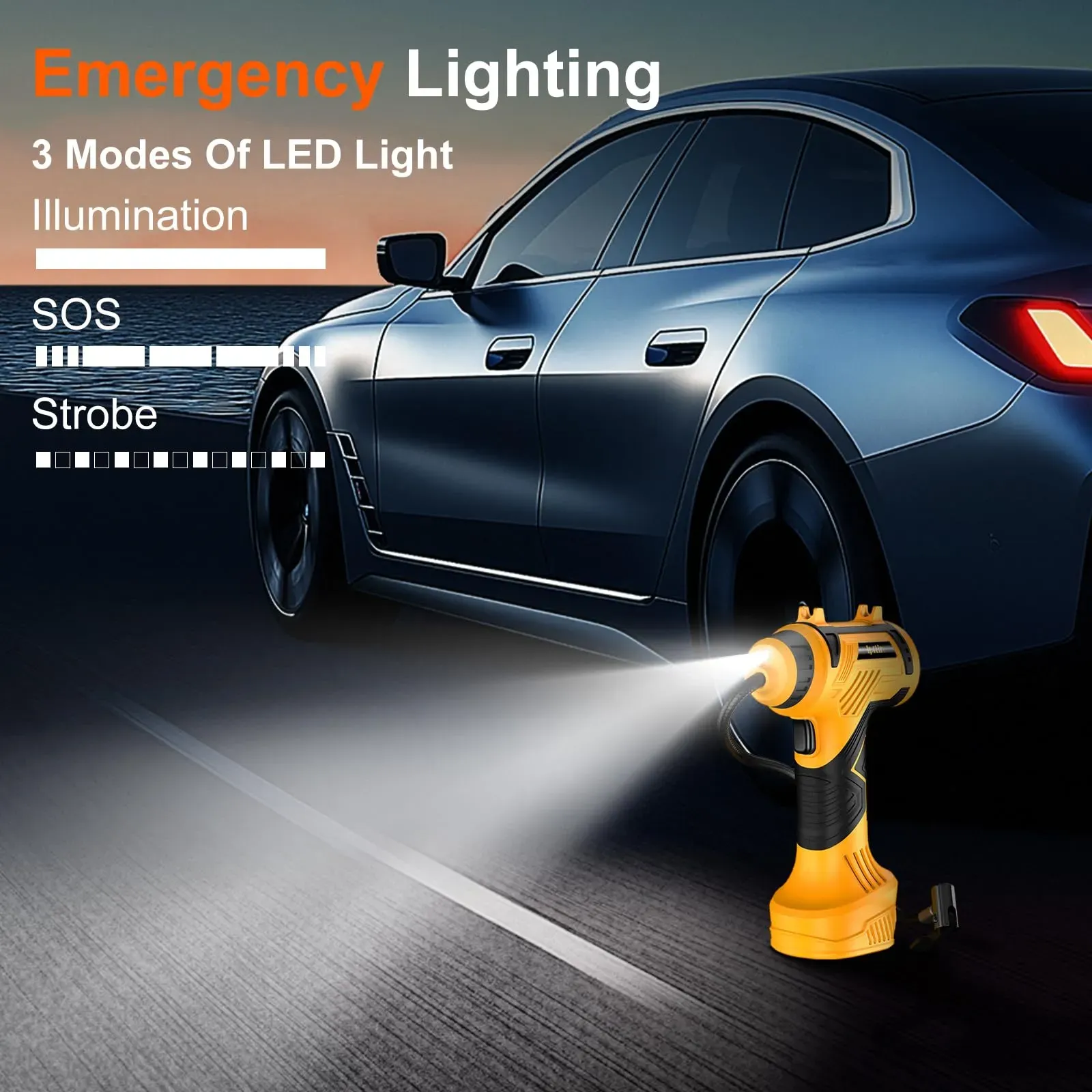
A torch helps with everything from checking tyre condition to locating tow points or reading recovery paperwork in darkness. LED torches are ideal because they are bright, durable and battery-efficient. If possible, choose one with a magnetic base or flashing mode for added roadside practicality.
5. Portable jump starter or power bank
Batteries struggle in low temperatures; cold weather reduces their efficiency just when heaters, lights and demisters increase demand. A modern jump starter can get you moving without relying on another vehicle being available nearby. Some units also include USB charging ports for phones, making them doubly useful during delays.
6. Phone charging cable and backup power bank
Your phone is your link to breakdown cover providers, mapping apps, weather updates and family contacts. A dead battery turns inconvenience into vulnerability very quickly. Keep both an in-car charging cable and a fully charged backup power bank in your winter kit.
7. Warm gloves, hat and blanket
If you are stuck waiting for assistance with no safe option but to remain with your vehicle, staying warm becomes a safety issue rather than a comfort issue. Insulated gloves also make practical tasks easier such as clearing snow from lights or fitting recovery equipment without numbing your hands.
8. First aid kit
A basic first aid kit belongs in every car all year round but becomes even more important during winter when slips on icy surfaces are common and response times may lengthen during periods of bad weather. Include plasters, sterile dressings, antiseptic wipes and any personal medication you may need during delays.
9. Compact shovel and traction aid
Car snow shovels UK drivers choose should be compact enough for boot storage but strong enough to clear packed snow around tyres or exhausts. Pairing a foldable shovel with simple traction aids such as grit, sand or specialist mats can make the difference between getting moving safely and remaining stuck.
10. Screenwash rated for low temperatures
This one is often forgotten until washers freeze at exactly the wrong moment. Winter-grade screenwash helps keep salt spray off your windscreen while resisting freezing in reservoirs and lines. It supports visibility throughout the journey rather than only at the start of it.
If you are building a fuller safety setup beyond these seasonal essentials, see our guide to Car Emergency Kit UK: What is Legally Required in 2024?. It explains what motorists commonly carry versus what is legally expected under UK road rules.
High-Visibility Gear and Breakdown Safety
The best winter kits do not just help your car; they help protect you once something has already gone wrong. This is where high-visibility gear deserves special attention.
The NHS advises people to prepare carefully for severe weather because cold conditions can affect health quickly, especially among older adults, children and those with underlying conditions. If you are delayed on an exposed roadside or need to stand outside waiting for assistance, proper clothing layers matter far more than most drivers expect.
What breakdown safety looks like in practice
- Stay visible: wear your high-vis vest before leaving the vehicle if it is safe to exit.
- Use hazard lights: particularly if your vehicle poses an obstruction or visibility is poor.
- Prioritise location: if possible move off live carriageways; on motorways use emergency areas where available and follow National Highways guidance.
- Avoid unnecessary exposure: keep passengers warm inside the vehicle when safe to do so. <> li>Keep essential items within reach: torch, phone, power bank, gloves and emergency contact details should not be buried under luggage.
Ready to drive safer with Ipflinpor?
Get Yours Now — £24.64