Winter Driving Safety
Winter Car Survival Kit UK: 10 Must-Haves for Snow & Ice
Short answer: For UK drivers, the right choice is the one that matches the vehicle, storage space and real roadside use, with clear controls and dependable power rather than inflated headline claims.
This guide explains Winter Car Survival Kit UK Checklist for UK readers. Cold, darkness and wet weather make small usability details important. Compare how the kit is powered, how quickly it can be deployed, whether the controls can be read at night and what you would do if the vehicle is in an unsafe position.
Treat the kit as preparation, not permission to travel in dangerous conditions. Check the forecast, vehicle and route first, and keep essential items where they can be reached safely.
What matters most for Winter Car Survival Kit UK Checklist
| Buying factor | What to check |
|---|---|
| Vehicle fit | Check the tyre valve, required pressure range, cable or hose reach and boot space before buying. |
| Power source | Choose between a vehicle socket, removable battery or mains-assisted system according to where it will be used. |
| Controls | A readable gauge, simple start/stop operation and a stable base are more useful than a long accessory list. |
| Duty and heat | Portable inflators need rest periods; follow the stated duty cycle and stop if the hose or unit becomes unusually hot. |
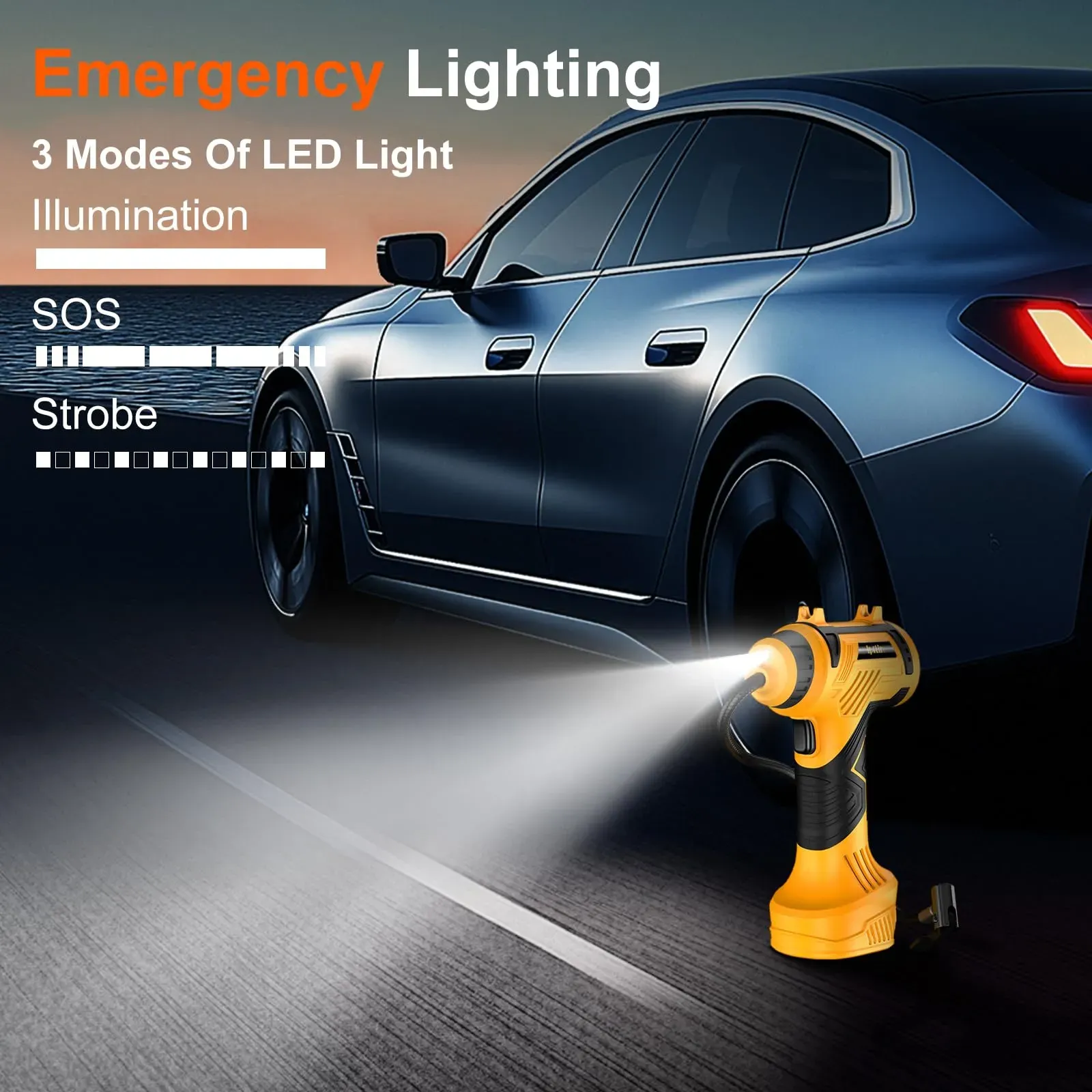
| Emergency use | Keep a torch, charged phone and recovery details available; a gadget is not a substitute for reaching a safe place. |
How to compare realistic value
Compare products at the setting and workload you will actually use. Read the full specification and manual, then include required accessories, consumables, replacement parts and storage in the cost. Reviews are most useful when they describe the same conditions as your own rather than repeating a feature list.
Where a page discusses a named model, verify the current UK specification with the manufacturer or retailer before purchase. Product revisions, bundles and warranties can change, so avoid assuming that two similarly named versions are identical.
Quick buying checklist
- Confirm compatibility with every vehicle you intend to cover
- Test the equipment at home before relying on it
- Store adaptors and instructions together
- Inspect leads, hose and battery before a long journey
- Recheck tyre pressure with a reliable gauge
Safety and responsible use
The Highway Code says to plan for adverse weather and explains how to act during a breakdown. Never attempt roadside repairs where moving traffic puts you at risk.
For authoritative UK context, see The Highway Code: adverse weather and breakdowns.
Frequently asked questions
Can a portable inflator repair a puncture?
No. It can add air, but it does not repair tyre damage. Stop using a tyre that is visibly damaged or will not hold pressure and seek professional help.
Is the fastest advertised model always best?
No. Gauge clarity, hose reach, stability, duty cycle and compatibility usually matter more in normal ownership.
Final buying advice
Start with the job and constraints, shortlist products that meet every essential requirement, and then compare usability and total ownership cost. A simpler product that fits properly, can be maintained and is supported in the UK is usually a better purchase than a feature-heavy option with unclear compatibility.